



Head to the water and discover why whale watching in SLO CAL (San Luis Obispo County) is one of the most rewarding coastal experiences in California. With friendly local guides, nutrient-rich waters and accessible viewing spots, SLO CAL offers incredible opportunities to witness the gentle giants of the Pacific Ocean.
Whether you’re scanning the horizon from a scenic bluff or heading offshore with a sea life expert, California whale watching takes it to the next level on this 80 miles of the Central Coast shoreline. From migrating gray whales in winter to breaching humpbacks in summer, there is always something to see.
Reasons SLO CAL is Ideal for Whale Watching
Back to Top of List
SLO CAL’s coastline is uniquely suited for spotting marine mammals. Deep offshore waters are close by, creating ideal feeding conditions which are supported by nutrient-rich waters filled with fish and krill. These conditions make SLO CAL a prime stop for whales on their migration route between Alaska and Baja California.
Because of this geography, whales often travel within a visible distance from land. That means you don’t always need a boat to experience memorable whale watching. Scenic bluffs, beaches and piers offer prime viewing opportunities.
Easily accessible land-based viewing spots offer stunning coastal views and year-round opportunities to scan for spouts and tail flukes. Many vista points feature open parking, clear walking paths and informative Whale Trail signs.
At the same time, boat tours don’t have to travel far offshore to reach feeding areas. That means shorter travel times, smoother rides and more time spent observing whales in their natural habitat. From larger vessels to smaller, more intimate tours, visitors can choose the experience that best fits their comfort level.
When Is the Best Time to Go Whale Watching in SLO CAL?
Back to Top of List
The short answer: all year. Different species follow distinct migration and feeding patterns depending on the season.
Seasonal Guide
- Winter (December - February) : Peak gray whale migration as whales travel south toward Baja California.
- Spring (March - May): Northbound gray whales, including mothers and calves traveling close to shore.
- Summer (June - August): Humpback whales feeding offshore; occasional blue whale sightings.
- Fall (September - November): Continued humpback activity, with increased feeding behavior.
California Gray Whales
Winter through early spring is the peak season for California grey whales, one of the most common species to observe from shore.
These whales migrate south from Alaska toward Baja California from December through mid-February and then begin their northbound journey from late February through April.
Gray whales are known for traveling close to shore, especially during the northern migration when mothers and calves hug the coastline for protection. This behavior makes them popular with land-based whale watchers and ideal for sightings on SLO CAL’s piers, beaches and bluffs.
Fun-fact: Gray Whales have a heart shaped spout caused by two-blow holes!
Humpback Whales
From Spring through fall, humpback whales become the most spotted.
Sightings for these big-winged whales increase as ocean temperatures warm and food sources become more abundant. The peak viewing season is May through October, though sometimes humpbacks can be seen into November.
Humpbacks are known for their energetic behaviors and frequent breaching. Try and identify them by their large size and tail flukes.
While humpbacks can occasionally be seen from shore, boat tours offer the best opportunity to witness their full range of behaviors. From pod feeding activity to dramatic breaches just yards away, being on the water offers a perspective that simply can’t be matched from land.
Other Whale Species
While less common, minke whales and blue whales are occasionally spotted along the SLO CAL coastline.
Blue whales, the largest animals on the planet, tend to appear during warmer months when the krill populations are highest. Seeing one is rare but unforgettable.
Minke whales are smaller, fast and agile. They often surprise watchers with quick surface appearances.
Whale Watching Tours
Back to Top of List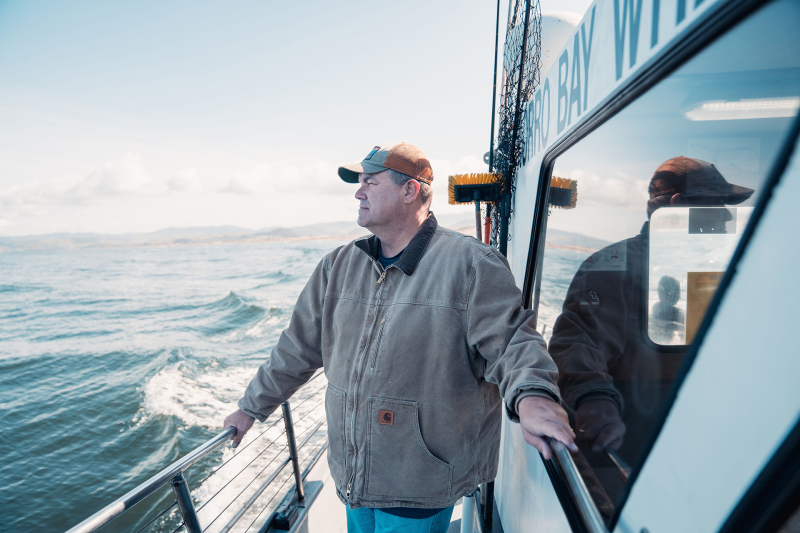
If you are looking to get even closer to the action, consider booking a guided tour in one of SLO CAL’s coastal communities.
Being on the water offers a different perspective. When a whale surfaces nearby, the size, sound and movement are far more powerful up close.
Whale Watching Boat Tours Provide:
- Increased chances of sightings
- Expert Insight
- Close-up views of whale behavior
- Opportunities to see pods feeding or traveling together
Because whales feed relatively close to shore in SLO CAL, tours often reach active whale areas quickly, allowing more time for observation.
Tour options range from small group experiences to larger vessels and private charters. For updated tour schedules and recent sightings, check out one of these tour operators:
SLO CAL Whale Trail
Back to Top of List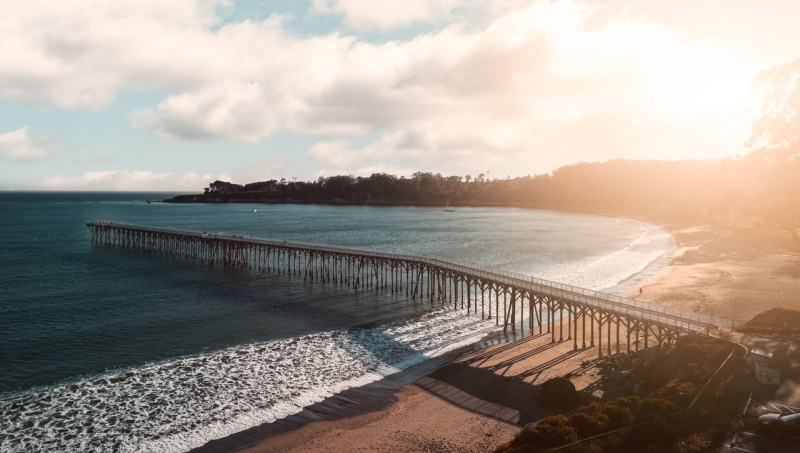
SLO CAL offers plentiful opportunities to spot marine mammals from land. If you are hoping to spot spouts and tails, without boarding a boat, you are in luck! From dramatic cliffs, historic piers, sandy beaches and scenic boardwalks, there are endless vantage points to witness the ocean’s giants from shore.
With more Whale Trail spots than anywhere else in California, SLO CAL makes shore-based viewing exceptionally rewarding. Each location features interpretive signage giving details on what species to look out for, fun facts and responsible viewing guidelines.
The Whale Trail is a network of designated sites to spot marine mammals from shore that covers the Pacific coast from British Columbia to southern California to help visitors spot marine mammals from land. Each site features education signage with information and insight to the specific area. Check out one or all of these Whale Trail sites during your visit to SLO CAL!
- San Simeon: The Cavalier Boardwalk offers public telescopes that help bring distant spouts into clearer view. Nearby, the Coastal Discovery Center in San Simeon offers interactive exhibits and expert insight.
- Cambria: Moonstone Beach features open coastal views ideal for scanning the horizon.
- Cayucos: The Cayucos Pier and nearby Estero Bluffs offer elevated vantage points perfect for spotting distant spouts.
- Los Osos-Baywood: Montaña de Oro State Park features dramatic cliffs and panoramic views perfect for observing marine life.
- Avila Beach: The Avila Beach Pier offers a centrally accessible viewing spot with expansive views of the Pacific.
- Pismo Beach: The Pismo Beach Pier and boardwalk is a classic spot for watching spouts and whale activity.
Whale Watching Tips & Tricks
Back to Top of ListTo make the most of your experience, keep these tips in mind:
- Bring binoculars to improve visibility.
- Use a slow, steady scanning approach rather than quick movements.
- Wear sunscreen and sunglasses, even on cooler days.
- Pack water and snacks for longer viewing sessions.
- If heading out on a boat tour, dress in layers as it can feel cooler on the water.
- Spring is an excellent time for sightings as mothers and calves travel closer to shore, increasing opportunities for both land and sea.
Experience Whale Watching in SLO CAL
Whale watching in SLO CAL offers unforgettable encounters with some of the ocean’s most magnificent creatures. With year-round sightings, accessible Whale Trail spots, scenic viewpoints and knowledgeable local guides, SLO CAL is one of the most rewarding destinations for California whale watching.
Whether you’re watching from a coastal bluff at sunrise or standing on the deck of a boat as a humpback surfaces nearby, SLO CAL delivers an experience you won’t forget.